Food, markets and everyday encounters can become the heart of a journey. A few thoughtful habits help make those moments comfortable for everyone.
Begin with a greeting
A friendly greeting and a little patience go a long way. “Assalomu alaykum” is a familiar greeting, and “rahmat” means thank you. You do not need perfect pronunciation to show interest. Let your guide help when a conversation becomes more detailed, and remember that hospitality is a personal encounter rather than a performance. In a home, follow the host’s lead about where to sit and whether to remove your shoes; customs can vary between households.
At the table, ask and enjoy
Bread, tea, plov, somsa and many other dishes offer a way into local life, but recipes vary by region, family and kitchen. Ask what is in a dish instead of guessing from its appearance. Tell your planner about allergies and dietary needs before travel and repeat important information at the venue; a meat-free-looking dish may still use meat stock or animal fat. Trying local food should feel welcoming, and you can politely decline anything you do not wish to eat.
Markets are places of work
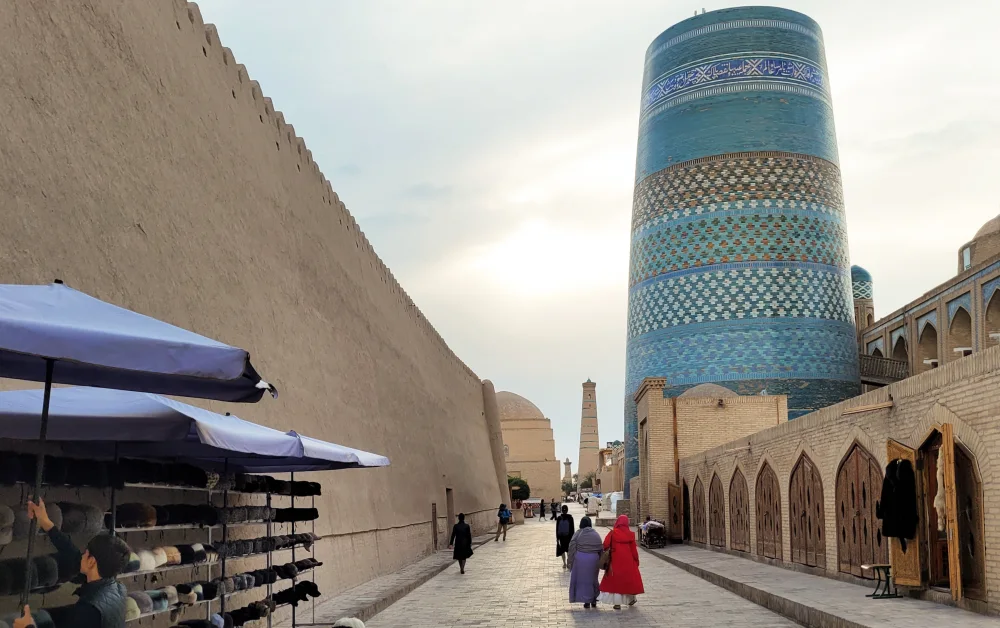
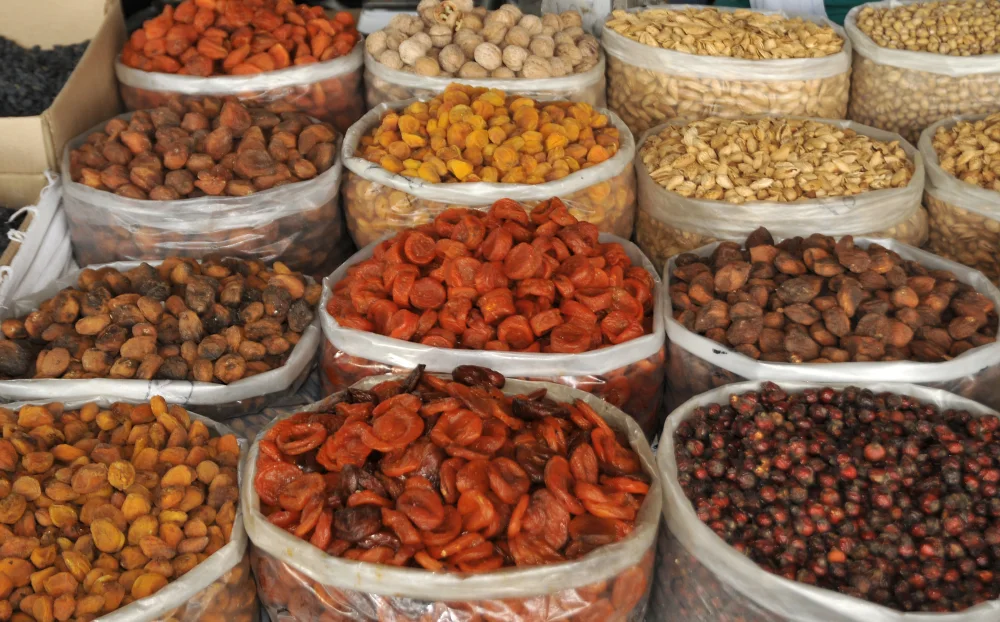
Enjoy the colours and energy of a bazaar while remembering that people are earning their living. Ask before taking a close portrait or photographing a stall in detail, and accept a refusal without pressure. Agree a price before buying, clarify the quantity and currency, and keep any bargaining friendly. If you want to taste something, ask first. A guide can explain unfamiliar ingredients and help with communication while leaving the decision to buy entirely to you.
Treat heritage as a living place
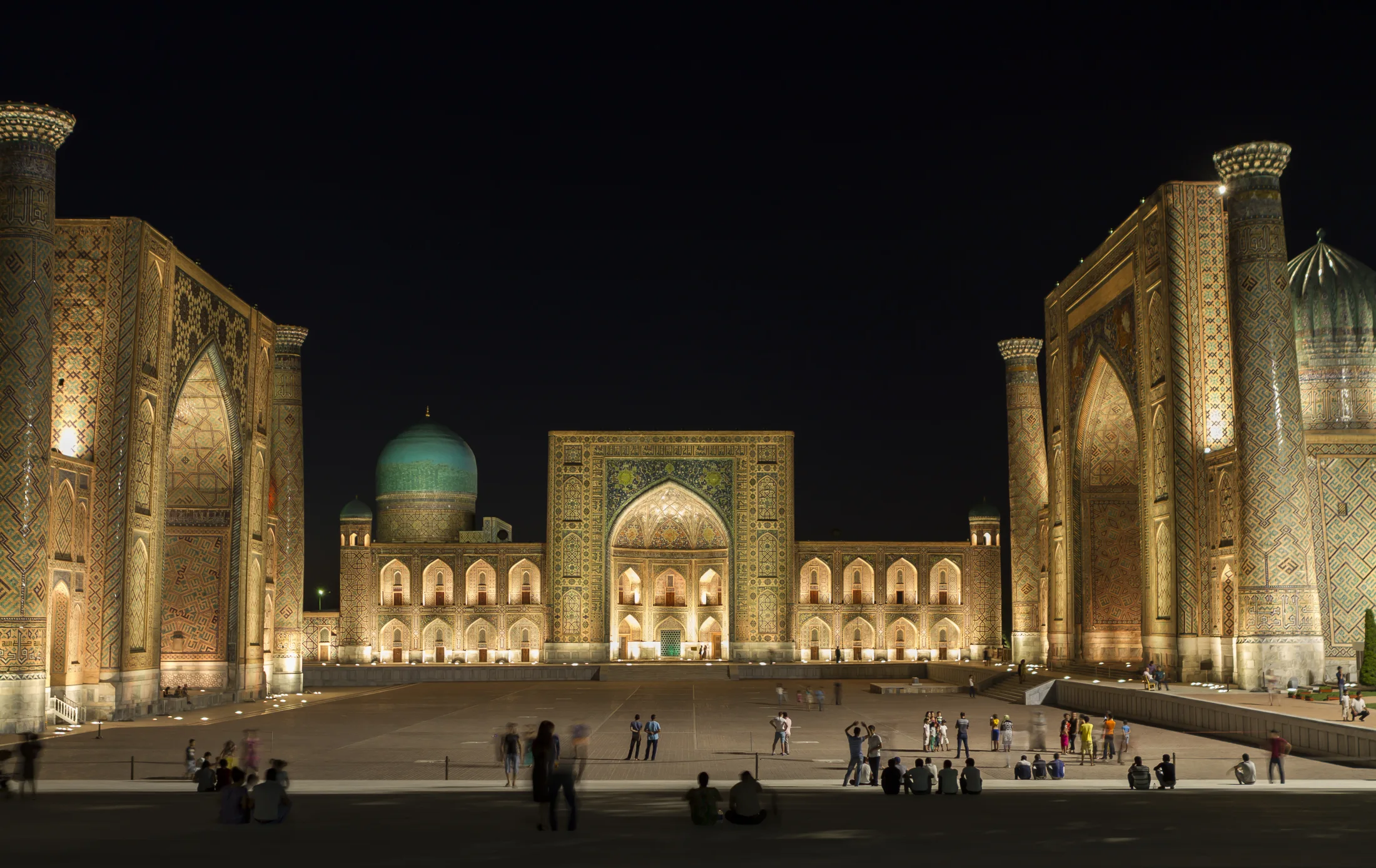
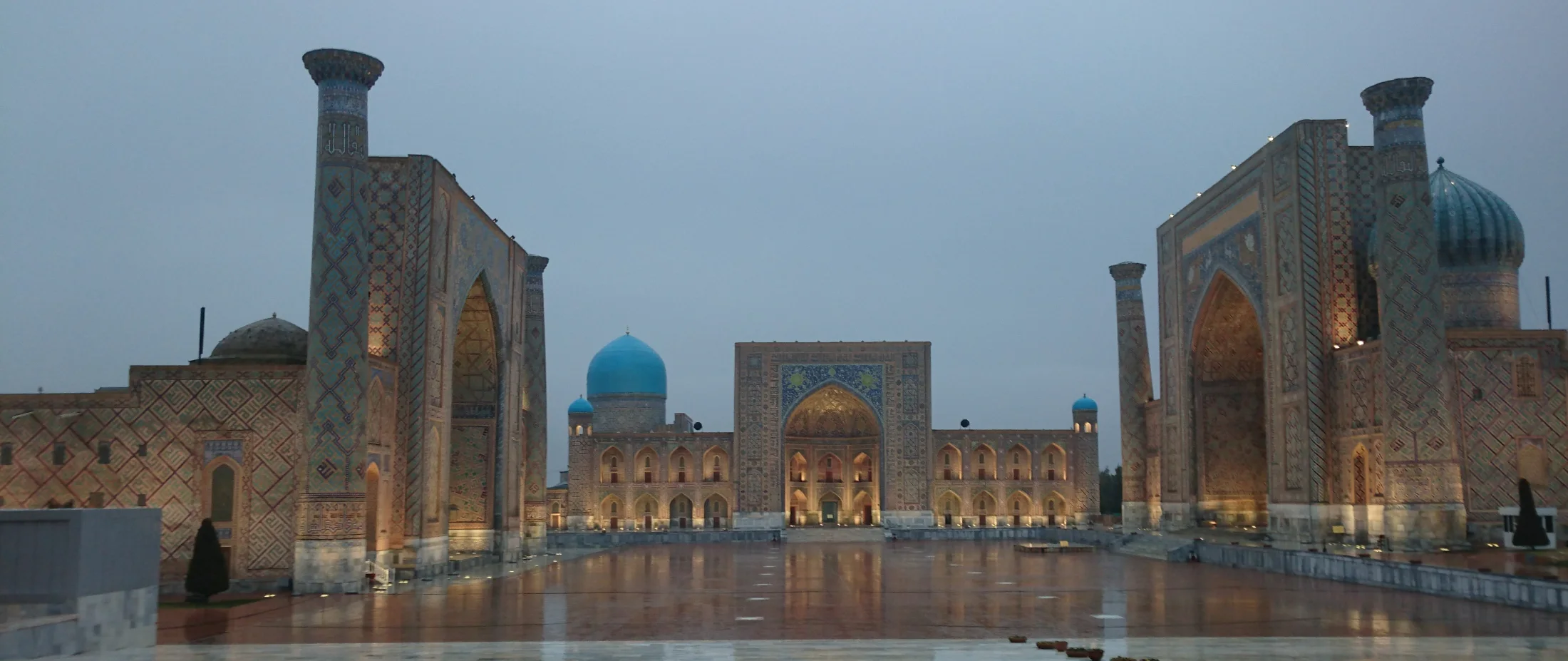
Some architectural sites are also places of worship or remembrance. Follow posted rules, dress appropriately for the site and ask your guide when unsure. Keep voices considerate around prayer and avoid blocking people for a photograph. Check permission before using a tripod or professional equipment. Respect barriers and do not climb onto historic structures to improve a view. Good photographs and thoughtful travel can coexist when people and places come first.
Support the encounter, not just the souvenir
In a workshop, ask about materials, time and technique. A handmade object carries labour that may not be obvious at first glance. If an activity or demonstration has a fee, agree it beforehand; watching or participating should not create an unexpected obligation to shop. Take an interest, buy only what you want and leave the space as you found it. Those small choices help keep cultural encounters comfortable and worthwhile for both visitors and hosts.
Tell us what caught your imagination. We’ll help you weave it into a journey that fits your dates, pace and interests.
Plan your journey